

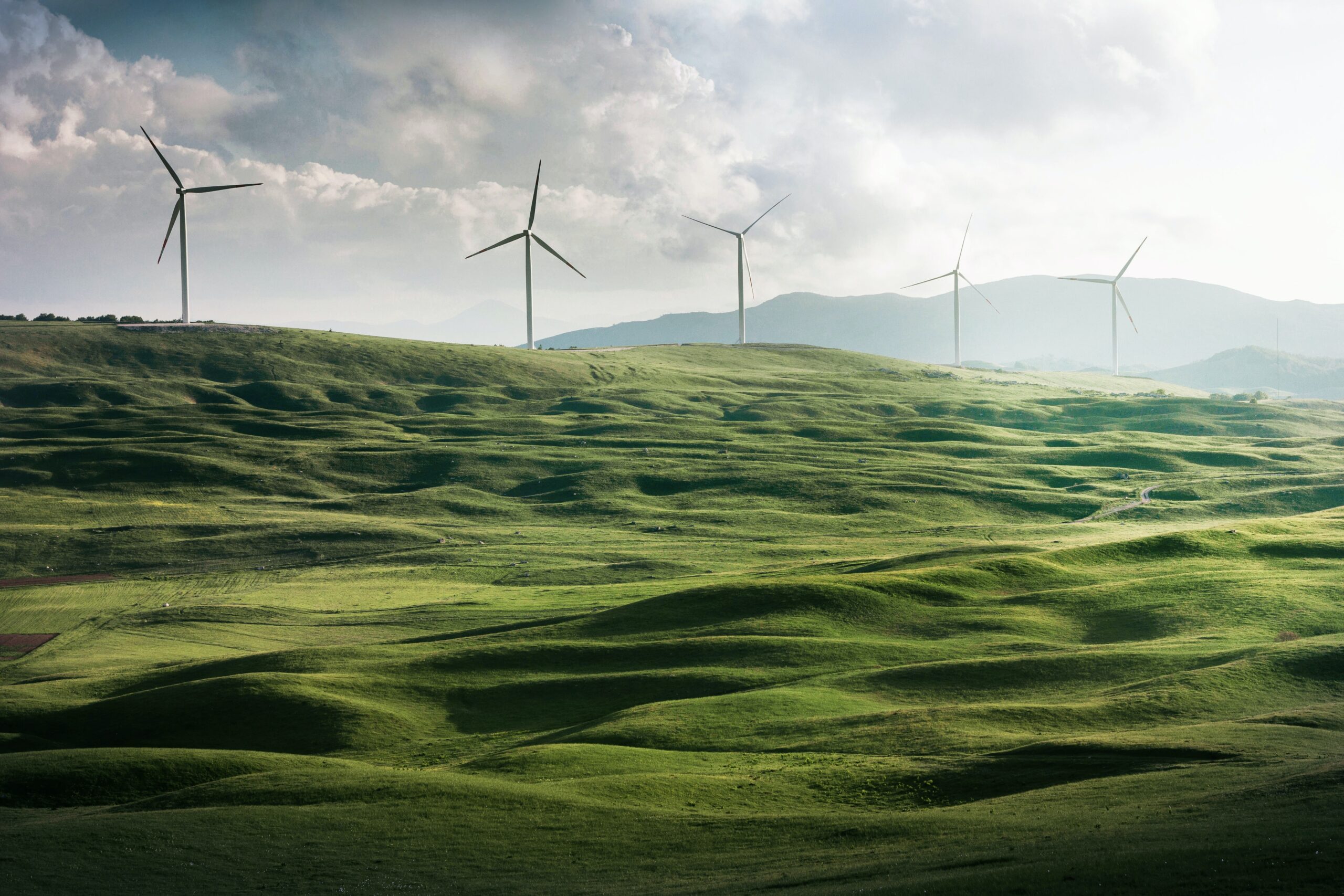
With this in mind, and if we want to meet the needs of the current world population and guarantee those of future generations, it’s vital to promote sustainability. In this article we’ll be explaining what sustainability is and what types there are, as well as providing a few examples of companies and cities that are committed to and are fighting for a sustainable future.
What is sustainability?
Sustainability consists of fulfilling the needs of current generations without compromising the needs of future generations, while ensuring a balance between economic growth, environmental care and social well-being.
“Conserve and sustainably use the oceans, seas and marine resources for sustainable development”.
What types of sustainability are there?
As outlined in the report by the Intergovernmental Panel on Climate Change (IPCC), even if greenhouse gases are radically reduced right now, average global warming will most likely exceed 1.5°C in the near future. Such a temperature increase can have disastrous consequences, like the melting of glaciers, the disappearance of animal and plant species, forest fires and droughts, among others.
Hence both people and businesses play a fundamental role in fighting climate change and driving measures that support sustainability.
- Environmental sustainability
Environmental sustainability focuses on the conservation of biodiversity without foregoing economic and social progress. The foundations of environmental sustainability are: safeguarding water, saving energy, reducing waste, using recyclable packaging, limiting or eliminating the use of plastics, using sustainable transport, reusing paper and protecting flora and fauna.
In particular, it is necessary to be aware of non-renewable energy sources and to focus on the use of renewable energy sources instead.
- Economic sustainability
When a company is set up, a structure is created that involves expenses and revenues. Once a balance is struck between both factors, the company earns profit. Economic sustainability refers to the organisation’s ability to manage its resources and responsibly generate profits in the long term.
The principle of sustainability also focuses on providing economic growth that will bring prosperity to societies without harming the environment. Thanks to economic sustainability, it is aimed to increase the level of welfare while increasing the consumption of goods and services. In this context, economic sustainability is an important item of the concept of sustainability.
- Social sustainability
Social sustainability in particular has the goal of strengthening the cohesion and stability of specific social groups.
In this way, social development is supported and people are empowered about what they can achieve as individuals.
Why is sustainability important?
The fight against global warming is actually a good example of the importance of the concept of sustainability. Today we are fighting against global warming so that our tomorrow will be healthier and more prosperous. The aim of combating global warming is to take precautions against the problems that the earth will experience in the future.
We have a great responsibility in terms of sustainability. First of all, we should embrace the importance of sustainability and shape our lives accordingly. It should not be forgotten that every action taken as an individual will bring great benefit to the society. We can take great strides thanks to some “relocations” or “changes” that we will make in our daily needs such as lighting, heating, cleaning and even nutrition.
These steps we take will set a precedent and, moreover, set an example for the society, so that the step we take as individuals will grow by adding a new link to the chain every day, and at the end of the day, a happy nature, safe tomorrow and a beautiful future will be waiting for us.
We help build a more sustainable future for all. Creating sustainable workplaces is extremely good for people and the environment. We are building to move people and communities to a better and waste-free future.