
10 Tips For More Sustainability In Everyday Life
Everyone emits CO2 every day. only his breath. We can’t hold our breath right now, but even small things can reduce our carbon footprint. To counteract climate change, we must act as sustainably as possible in everything we do. This is especially important when we are all making changes, starting with each individual’s daily life.
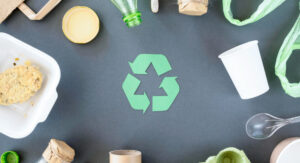
1. Always bring your own package
Everywhere you go you carry an old bakery bag, tupperware, jute bag, or cloth net… Gone are the days when people looked at you funny. Even large supermarket chains in his market advertise that customers can bring in their own cans. Like many other tips for being more sustainable in your everyday life, carrying your own packaging takes a little ‘practice’ or another plan. But it’s very easy once you get used to it.
2. Make your own detergent
It seems a bit cumbersome at first, but it’s really easy. We now manufacture almost all common cleaning products in-house. Not only is it eco-friendly, but it’s also kind to your wallet. Like the basic ingredient water, all the ingredients are cheap or you already have them at home anyway.
3. Just leave things outside the kitchen
Baking paper: Before baking paper was invented, it was simply left out.It’s okay to lay biscuits, baked vegetables, etc. on a baking sheet without parchment paper. The only “downside” is that you have to clean the baking sheet afterwards. But our environment should be valuable to us.
Cling film: Many things you want to store can be packed in tins or plate-covered bowls. Beeswax wraps are also a great alternative and reusable.
Kitchen rolls: another example of something that didn’t exist before. Of course, it is also useful for wiping or cleaning something with a few pieces of kitchen paper. You can also use old cloth napkins, shredded tea towels, rags, etc. After use, rinse lightly with running water to finish.
4. Buy second-hand or well-produced fashion
Another classic way to make your daily life more sustainable is to avoid unnecessary purchases, especially in the fashion sector. The textile industry is he one of the dirtiest industries in the world and exploits not only the workers but also the environment to a great extent. If you “need” something new, reach for fairly produced fashion, or even better, second hand. There are already so many textiles in circulation that there is really no need to produce new ones.

5. Shop unpackaged
In order to buy bulk, you don’t necessarily have to go to a bulk store, which are often actually quite expensive. In all supermarkets there is a large part of fruit and vegetables, as well as baked goods and sometimes even pasta, nuts and cereals without packaging. If you don’t find what you’re looking for there, it’s best to visit a weekly market nearby. There is actually everything there without packaging or in returnable jars, which you can bring back.
6. Less trash in the bathroom
In the bathroom in particular, it is particularly easy to produce less waste and make your everyday life more sustainable. Make-up removal pads can be replaced with reusable cloth pads. Shower gel and shampoo are now available in many drugstores completely or almost unpackaged. Likewise toothpaste and, the classic, hand soap. Toothbrushes are made of bamboo, and you can get plastic-free cotton swabs everywhere.
There are also natural cosmetics, which not only protect the skin, but also the environment, since, among other things, microplastics and other harmful substances are avoided.
7. Regional and seasonal
This is followed by another, very important tip: If possible, try to buy more regionally and, above all, seasonally. I also love avocados and juicy mangoes, but unfortunately they don’t grow in Germany and are shipped thousands of kilometers. This creates huge amounts of CO2.
In addition, many of these products need endless amounts of water, a valuable commodity in the growing areas that would be better made available to the population. All in all, the consumption of non-locally produced food is not exactly sustainable.

8. Riding a bike or using public transport
If possible, simply give up driving completely. Often very easy to implement, especially for city dwellers, and best of all: you save an incredible amount of time. Riding a bike is so much faster and healthier. If you like it more comfortable, simply get on one of the countless public transport options and protect your wallet and the environment in equal measure.
9. Buy organic food
If you want to do more, buy organic. With this decision you can make a significant contribution to ensuring that our environment is not destroyed even more. In addition, farmers and producers are paid a lot more fairly than in conventional agriculture. In my opinion, the bare minimum for a professional group that ensures the survival of all of us.
10 . Sharing is Caring
Why would anyone need their own car, lawnmower, or drill? Come to think of it, there are countless things most people have lying around somewhere but rarely used.
Best example: cars. A car sits in front of your home or office door and goes unused for most of its life. A more sustainable solution would be to share all of these or use a formal sharing model. Like almost all the tips mentioned here, this action not only protects the environment, but also our wallets.