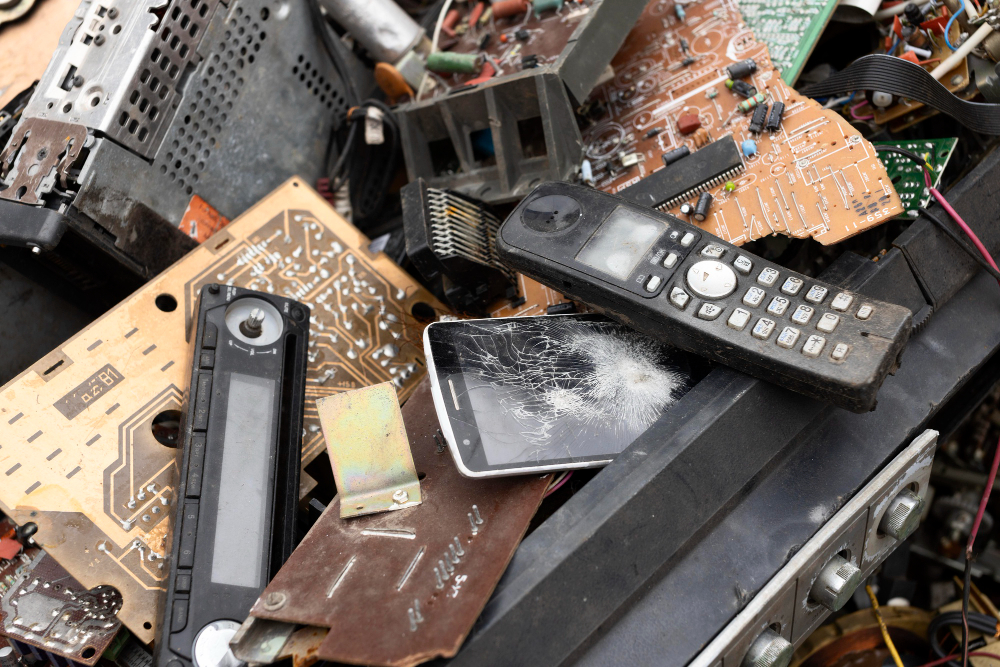
Challenges in collecting and recycling e-waste
E-waste, also known as e-waste or electronic waste, has become one of the most pressing environmental problems of our time. In an era of constant technological development and innovation, electronic devices such as smartphones, tablets, computers and household appliances have played an indispensable role in our everyday lives. But as we update our devices at an ever faster rate, the amount of e-waste is also growing exponentially. This not only puts a strain on our environment, but also challenges recycling companies and governments worldwide.
In this article, we will dive deep into the challenges that come with collecting and recycling e-waste. From the increasing amount of electronic waste to the complex recycling processes and consumer awareness efforts, we will examine these issues in depth while identifying possible solutions. Only through a joint commitment can we ensure that electronic waste no longer poses a burden on our environment, but becomes a sustainable resource for the future.
The growing amount of electronic waste
The first and most obvious challenge in dealing with e-waste is the sheer quantity. With an ever-increasing number of electronic devices constantly coming onto the market, the amount of e-waste is also increasing. Old computers, smartphones, tablets and other electronic devices are often discarded to make room for newer models. This increase in e-waste is putting a strain on the environment and is creating major challenges for recycling facilities to cope with the onslaught.
Toxic substances in electronic devices
Electronic devices often contain dangerous materials such as lead, mercury and cadmium. These substances can cause serious health problems if released into the environment. Recycling e-waste therefore requires special procedures to safely remove and dispose of these dangerous substances. This requires specially trained personnel and expensive equipment. Find out about the serious impact of substances on our world: The serious impact of chemicals and pollutants in waste on our planet.
Complexity of electronic devices
Electronic devices are often complex and contain a variety of materials and components. Recycling e-waste therefore requires careful dismantling and sorting to ensure that the valuable materials can be recycled. This is time consuming and requires specialized facilities to disassemble and recycle the various components.
Lack of awareness and education
Another challenge in collecting and recycling e-waste is the lack of awareness and education among consumers. Many people are not aware of how important it is to dispose of electronic waste properly and simply dispose of their old devices with household waste. This results in valuable resources being wasted and hazardous substances being released into the environment. It is therefore important to educate the public about the importance of e-waste recycling and establish easily accessible collection points.
Transport and logistics
Efficiently collecting and transporting e-waste to recycling facilities is also a challenge. E-waste can often be heavy and bulky, which can make transportation complicated. Special precautions must also be taken to ensure that no hazardous materials are released during transportation. This requires careful planning and coordination between collection points and recycling facilities.

Fazit
Insgesamt stehen wir vor erheblichen Herausforderungen bei der Sammlung und dem Recycling von Elektroschrott. Mit der wachsenden Menge an Elektronikgeräten, toxischen Substanzen in diesen Geräten, ihrer Komplexität, dem mangelnden Bewusstsein und den logistischen Anforderungen ist die Bewältigung dieses Problems keine leichte Aufgabe.
Es ist jedoch von entscheidender Bedeutung, diese Herausforderungen anzugehen und zu überwinden. Elektroschrott enthält wertvolle Materialien, die wiederverwendet werden können, und seine unsachgemäße Entsorgung kann erhebliche Umweltauswirkungen haben. Darüber hinaus birgt die richtige Entsorgung und das Recycling von Elektroschrott das Potenzial, Arbeitsplätze zu schaffen und die Wirtschaft anzukurbeln.
Um diese Herausforderungen zu bewältigen, ist die Zusammenarbeit aller Beteiligten erforderlich, angefangen bei den Herstellern, die nachhaltige Produkte entwickeln, über die Regierungen, die Richtlinien und Gesetze erlassen, bis hin zu den Verbrauchern, die sich des Problems bewusst werden und ihre Elektroschrott-Entsorgung verantwortungsbewusst angehen.
Gemeinsam stehen wir vor den Herausforderungen bei der Sammlung und dem Recycling von Elektroschrott. Bei NFM Recycling sind wir entschlossen, diese Hindernisse zu überwinden und eine nachhaltigere Zukunft zu gestalten. Besuchen Sie unsere Webseite unter www.nfmrecycling.de, um zu erfahren, wie wir mit innovativen Lösungen und einem engagierten Team dazu beitragen, das Problem des Elektroschrott-Recyclings zu lösen und unsere Umwelt zu schützen. Gemeinsam gestalten wir eine grünere und nachhaltigere Welt.
Letztendlich liegt es an uns allen, sicherzustellen, dass Elektroschrott nicht länger ein Umweltproblem darstellt, sondern eine Ressource, die wir effizient nutzen und recyceln, um unsere Umwelt zu schützen und zukünftigen Generationen eine nachhaltige Zukunft zu ermöglichen.
Conclusion
Overall, we face significant challenges when it comes to collecting and recycling electronic waste. With the growing amount of electronic devices, toxic substances in these devices, their complexity, lack of awareness and logistical requirements, tackling this problem is not an easy task.
However, it is crucial to address and overcome these challenges. E-waste contains valuable materials that can be reused, and its improper disposal can have significant environmental impacts. Additionally, proper disposal and recycling of e-waste has the potential to create jobs and stimulate the economy.
Overcoming these challenges requires collaboration from all stakeholders, from manufacturers developing sustainable products, to governments issuing policies and laws, to consumers becoming aware of the problem and their e-waste disposal approach responsibly.
Together we face the challenges of collecting and recycling electronic waste. At NFM Recycling, we are committed to overcoming these obstacles and creating a more sustainable future. Visit our website at www.nfmrecycling.de to learn how we are helping to solve the problem of e-waste recycling and protect our environment with innovative solutions and a dedicated team. Together we are shaping a greener and more sustainable world.
Ultimately, it is up to all of us to ensure that e-waste is no longer an environmental problem, but a resource that we use and recycle efficiently to protect our environment and provide a sustainable future for future generations.