
Metal Recycling as an Important Source of Raw Materials
The recovery of raw materials through metal recycling has a long tradition. Metallic materials are very valuable due to the enormous effort involved in extracting mineral resources and converting the ore into metals. For this reason, the material from discarded metal objects has been melted down and reused again and again from the beginning to this day. Learn about the environmental and economic benefits of recycling versus producing metals from ore.

Metal recycling – urban mining
Metal recycling plays an important role in the transition from a linear economy to a circular economy. It helps to save valuable raw materials and makes a significant contribution to reducing energy consumption. Since the extraction of mineral resources represents a serious encroachment on nature, the recycling of metals also contributes to protecting the environment. Based on the extraction of raw materials from mining, the extraction of raw materials from the human environment is often referred to as urban mining.
Among other things, the following are tracked and recorded:
- Metallic scrap objects (tools, household appliances, broken components)
- Workpieces (chips) from metal processing
- Cable scrap
- End-of-life vehicles
- Old electronic devices
- E-waste
The main problem here is the separation of the individual materials from one another, which is necessary in order to be able to treat each metal separately.

Material separation: the main task in metal recycling
The way metal is recycled can be designed based on the type of scrap. Sorted metal recycling is the cheapest. These are mainly larger parts (bar scrap), sheet metal or chips in metalworking. When recycling, the separate collection of different metal waste is worthwhile. The delivery fee is much higher than mixed scrap.
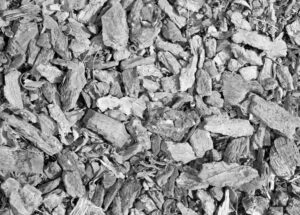
Old devices consisting of many different components, old vehicles, old cables or scrap from different origins are rarely dismantled into individual parts economically. They are usually fully compressed and shredded or chopped with scissors. Before recycling, this scrap is mechanically separated into non-metallic, ferrous and various non-ferrous metals. Metal recycling is the most difficult challenge in extracting metal from electronic devices.
Benefits of recycling scrap metal
The main advantage of metal recycling lies in the conservation of natural resources and the protection of the environment. Mining is a serious encroachment on nature. When moving to mines, a lot of overloaded rocks accumulate that have to be disposed of into the landscape, some of which contain polluting ingredients. The separation of the ore from the gangue also leaves large amounts of waste in nature. The separation of ore components is a complex chemical process that requires the use of a large amount of auxiliary materials and results in a large amount of waste. In addition, recycling eliminates the need to separate the metals from their natural chemical compounds and the associated consumption of auxiliary materials and energy.
Thus, metal recycling has the following advantages:
- Conservation of raw materials
- No intervention in nature
- No more accumulation of chemical waste
- Less water consumption
- Significant reduction in energy consumption
- Significantly better CO2 balance
Also read the article about ”Climate protection through metal recycling”.
Conclusion
When it comes to metal recycling, it is important to collect as much scrap metal as possible and to recycle it. Recycling metal becomes more economical the better it is possible to collect the various scrap metals separately. As metal recycling becomes more economically important, the methods for recovering these raw materials will also improve.