


Sustainable Urban Planning: Creating Green Cities
Cities, while hubs of innovation and culture, also pose environmental challenges. With global urbanization on the rise, sustainable urban planning becomes imperative to create cities that offer quality living while minimizing environmental impact. This article explores the fundamentals of sustainable urban planning and how it contributes to transforming cities into green havens.
Green Infrastructure: The Foundation for Sustainable City Design
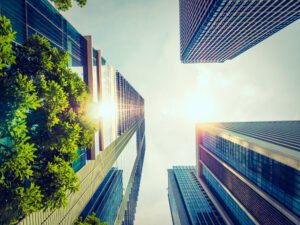
Sustainable urban planning begins with the establishment of green infrastructure. This not only involves the presence of parks and green spaces but also the integration of nature into the urban fabric. Parks serve not just as recreational areas but also contribute to air quality and provide habitats for various species. Sustainable construction projects should also be considered, with materials and designs evaluated for their environmental impact.
Sustainable Transportation: Shaping the Mobility of the Future
Traffic often stands as a primary source of environmental stress in urban areas. Sustainable urban planning aims to optimize transportation and promote eco-friendly alternatives. Encouraging public transportation, expanding bike lanes, and creating pedestrian zones are crucial elements. Innovative approaches like electromobility and car-sharing can also be integrated into the plan to minimize CO2 emissions.
Environmentally Friendly Buildings: Rethinking Sustainability from the Ground Up
Sustainable urban planning requires a closer look at the buildings that define our cities. The integration of renewable energy, energy efficiency, and eco-friendly materials are crucial aspects. Green roofs, solar panels, and energy-efficient construction not only contribute to reducing the ecological footprint but also lead to a healthier living environment for residents.
Urban Nature: Green Spaces for Well-being and Biodiversity
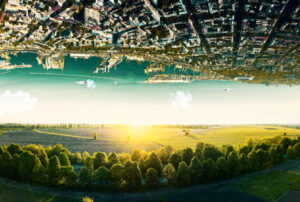
Sustainable urban planning should not only focus on aesthetics but also on the well-being of residents. Green spaces and urban greenery contribute not only to mental health but are also crucial for maintaining biodiversity. Creating natural habitats within the city supports biodiversity and promotes a balanced urban ecology.
Smart Cities: Technologies for a Sustainable Future
The incorporation of technologies also plays a role in sustainable urban planning. Smart solutions for energy efficiency, waste management, and traffic control can help utilize resources more effectively. Implementing IoT devices can monitor energy consumption and optimize urban processes.
Participatory Urban Planning: Involving the Voice of the Citizens
Another crucial aspect of sustainable urban planning is involving citizens in the planning process. Participatory urban planning means considering the needs and ideas of the local population. This not only promotes broader acceptance of sustainable measures but also leads to urban spaces that truly meet the community’s needs.
Conclusion: Green Cities for a Sustainable Future
Sustainable urban planning is a complex yet crucial approach to shaping cities for the future. By creating green infrastructure, promoting sustainable mobility, constructing eco-friendly buildings, integrating urban nature, employing smart technologies, and involving citizens, cities can become sustainable, livable places. Green cities are not only good for the environment but also for the people who live in them. It’s time to pave the way for sustainable urban development and collectively create green cities where we enjoy living, working, and spending our time.