
Electronic waste contains valuable resources that can be reused. Old electrical appliances such as broken smartphones and disused washing machines include cast metals (such as copper and iron), ceramics and glass, critical metals and increasingly also plastics.
Impurities such as cadmium, lead or mercury and additives such as brominated flame retardants in plastics are problematic. Pollutants and greenhouse gases from scrap pollute the environment and climate. They can also have adverse effects on health and make it necessary to collect waste electrical and electronic equipment separately from the rest of the household waste. The separate collection also serves the recycling of the recyclables contained therein.
E-scrap (Electronic waste) includes all electronic devices in household, commercial and industrial. Here we list the most common examples:
- Dishwasher
- Stove
- Dryer
- HDTVs
- Computer
- Monitor
- Printer
- Radio
- Electric sewing machines
- Electric Kitchen appliances
- Alarm
- Scale
- Telephone
- Dryer
- Electric Toothbrush
- String Lights
- Wire
- Connector
- Phone
- CD Players
- Lamps (also solar lamps)
- Electronic equipment
- Electric toys
- CDROMs
- Tanning booths
What is no Electronic waste?
- Pollutant-free lamps – i.e. incandescent lamps and halogen lamps – can still be disposed of.
- Mechanical toys such as wind-up figures now belong in the trash.
- Batteries and rechargeable batteries that are disposed of without a connected device should nevertheless be returned to retailers or voluntarily taken back at municipal collection points.
- Car radios are considered to be permanently installed in the vehicle and are therefore not subject to applicable law. Check with your local municipality or waste disposal company how to dispose of it.
- Hot water appliances and air conditioners are considered “fixed installations” and are not covered by the law.
- Components that still need to be integrated into a device. This includes cables by the meter, cable accessories such as luminance or plug-in terminals, lamp holders as well as switches, switches, sockets and plugs for installation on a device.
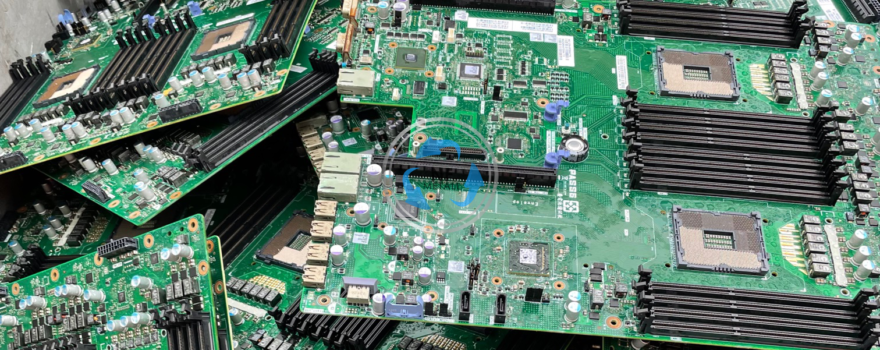
Special case Toner cartridges and printing cartridges
You should take a close look at the toner and print cartridges. There are models that contain only mechanical parts, such as pure toner containers, and there are models that contain electronic components. Together with the electrical components, they belong to the electronic scrap – in the case of purely mechanical components, to the residual waste. Both models can be included in the (voluntary) collections of dealers. If you are not sure what applies to your toner or print cartridge, contact the manufacturer.
How does recycling work?
Reprocessing (e.g. repair of an old appliance) and disposal only take place in the single-digit percentage range, depending on the type of appliance.
Recycling includes mechanical, thermal and chemical processes that allow materials to be reused. The current recycling practice basically consists of three things: impurities are removed manually, then the materials are mechanically crushed in several stages, and then the materials are separated from each other.
In addition to impurities, a distinction is made between ferrous and non-ferrous metals, plastics and minerals. Ferrous metals are generally used in steelmaking, while non-ferrous metals are used in the copper process, where certain metals can be further separated from each other.
What is difficult or impossible to recycle?
The recycling of electrical appliances has so far been limited to cast metals such as iron, steel, copper, aluminum and easily recoverable precious metals. Rare earths, tantalum, gallium and indium have global recycling rates of less than one percent. For example, they are only found in small quantities in smartphones and are installed in complex forms, which makes recycling costly.
Toxic flame retardants such as tetrabromobisphenol, which are found in small appliances of older generations, prevent high-quality recycling of plastics. Flame retardants are found, for example, in the heating of household appliances and in information and communication technology.